
Published June 6, 2025
Struggling to figure out exactly how much salt to add to your pool? Achieving the perfect salt balance can be tricky, yet it’s crucial for clear, comfortable, and healthy swimming water. Too little salt, and your pool’s sanitation suffers; too much, and you risk damaging your equipment.
In this guide, we’ll unravel the mystery of pool salt levels, show you how to calculate the ideal amount, and share practical tips to keep your saltwater pool in top shape. Ready to dive into a crystal-clear, balanced pool experience? Let’s get started.
Why Does Salt Matter in Your Pool
The salt in your pool doesn’t just make it taste good, it also creates very clear and pleasing water. Lots of pool owners do not realize just how important getting the salt level right is for their pool and their comfort while swimming. Using less salt could result in poor sanitation that exposes you to algae and bacteria growth.
Too much? It may cause the equipment to rust and harden the water. Because of electrolysis, salt works as a sanitizer, so you don’t have to rely heavily on chemicals like chlorine.
The result? Softer water is easier on your skin and eyes, making every swim nicer. Striking this balance is very important so that you have a pool that’s both safe and comfortable
Understanding Pool Salt and Saltwater Pool Chemistry
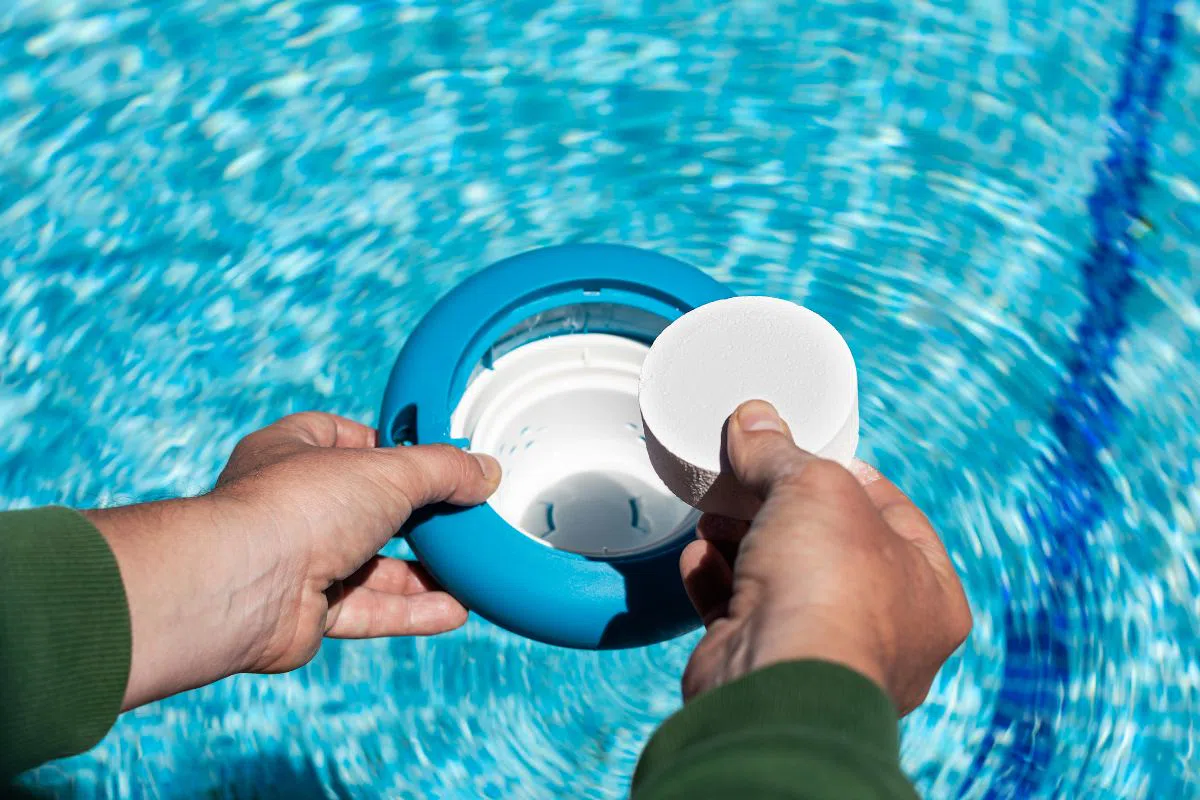
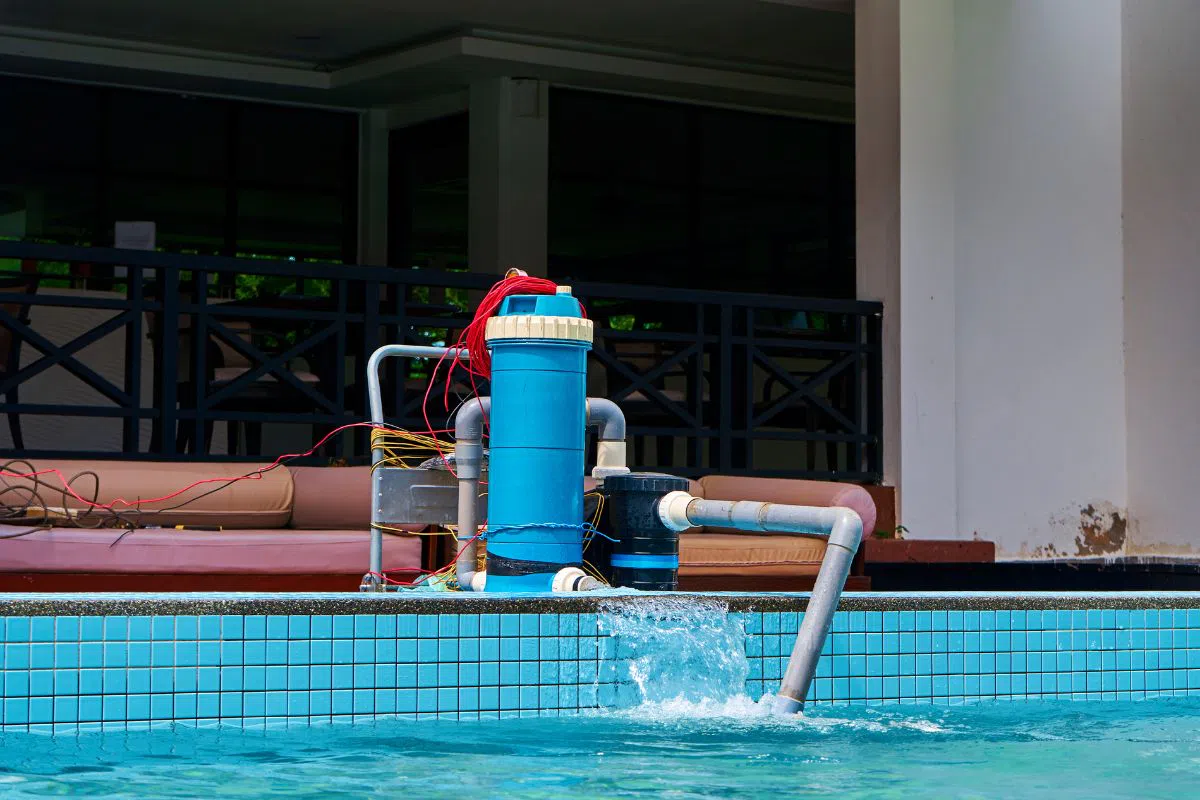
Kitchen salt is not the same as pool salt which is made especially for pools without any possible gutters. When mixed with water, it provides energy to your chlorinator which changes it into a mild chlorine cleanser. Imagine that your pool’s health and cleanliness is taken care of by your chemical crew working hard behind the scenes.
As a result, there are less chemicals, less smell and a better time spent swimming. There’s one thing to keep in mind, if the salt gets too low or too high, the chlorinator won’t work as it should. Gaining insight into how the chemistry works in your pool makes it easier for you to maintain it.

Determining the Ideal Salt Level
Know the Right Temperature
- Most situations call for saltwater pools to have between 2,500 to 4,000 ppm.
The Importance of This Range
- At this level, salt chlorinators function well and give the best results.
- Prevents rusting or breakage of equipment because of too much salt.
- Keeps irritation of the skin or eyes away by not allowing the salt to rise too high or fall too low.
Look at the Size, Shape and Features of your Pool
- Depending on the pool, its size and the manufacturer, ideal salt level may change.
- Make sure to follow the instructions in the owner’s manual or on the chlorinator.
Stay Safe From Making Expensive Mistakes
- If the salt level is not correct, you might end up doing more frequent maintenance, using inefficient chlorine or damaging your swimming pool’s equipment.
Test Regularly
- To monitor the salt levels, you can rely on a reliable salt tester or test strips.
- Testing the pool on a regular basis helps your pool stay clean, clear and comfortable, with no mystery involved.
Calculating the Right Amount of Salt for Pool Startup
You’re setting up a pool for the first time using a salt system? Correctly determining the right amount of salt is the first thing you should focus on. A salt calculator or by using your pool’s volume and desired salt content can give you exact details.
If we talk specifically, 4 to 5 kilograms of salt per cubic meter is often added. However, don’t fill your bag with chips all at once; going overboard in salt is not great for your system.
Try to include the salt in stages, test often and let it dissolve before you start cooking. Making sure you are well-prepared at the start helps you sail without problems all season long.
How to Add Salt to Your Pool
Step | Action | Details / Tips | Example Data |
1 | Test Current Salt Level | Use a digital salt tester or test strips. | Current reading: 2,800 ppm |
2 | Check Ideal Salt Level | Refer to your salt chlorine generator or pool manufacturer. | Ideal level: 3,200 ppm |
3 | Calculate Amount of Salt Needed | Use a salt calculator or pool app. Typically, 40 lb of salt increases 1,000 gallons by ~480 ppm. | Pool size: 15,000 gallons Needed increase: 400 ppm Salt required: ~125 lbs |
4 | Choose the Right Salt | Only use pool-grade (solar or evaporated) salt. Never use table or rock salt. | Purchase: 3 × 40 lb bags + 5 lb loose |
5 | Distribute Salt Evenly | Broadcast salt around the pool perimeter, especially near return jets. | Avoid pouring into skimmers or directly on liners. |
6 | Brush to Help Dissolve | Gently brush the pool floor to avoid undissolved salt buildup. | Use a soft pool brush. |
7 | Run Pump to Circulate | Operate your pool pump for at least 24 hours to fully circulate and dissolve the salt. | Set pump timer for continuous circulation. |
8 | Recheck Salt Level | Test again after circulation to ensure proper salinity. | After 24 hrs: 3,180 ppm – within target range. |

Maintaining the Optimal Pool Salt Level
Taking care of your pool’s salt is similar to adjusting an instrument, so you need to attend to it regularly to achieve the best results. Things such as evaporation, rain and splashing water out can cause the salt level in your water to drop, disrupting the balance. Regular tests using a saltwater test kit should be done about once a month to avoid issues that come with saltwater imbalances.
Adding more salt slowly is best when necessary, while diluting with water will fix the fishy taste if the salt is high. When you act in advance, you avoid surprises, get better water and enjoy swimming in your pool all the time.
FAQs
What is the ideal amount of salt in a pool?
The best salt level in a pool is usually between 2,500 and 4,000 parts per million (ppm). This keeps the water clean and safe.
How much salt should I add to my pool?
How much salt to add depends on your pool size and current salt level. Use a pool salt calculator or check your pool guide to get the right amount.
How much salt for a 10,000 litre pool?
For a 10,000 litre pool, you usually add about 40 to 50 kilograms of pool salt to reach the right level.
What is the ideal salinity for a pool?
Ideal pool salt levels are around 2,500 to 4,000 ppm, which helps the pool stay clean and comfortable.
How do I know if I have enough salt in my pool?
Use a salt test kit to check the salt level. If it’s below 2,500 ppm, you need to add more salt.
Final Thoughts
Keeping the right amount of salt in your pool is very important. It helps your saltwater system work well and keeps the water clean and safe to swim in. Too little salt means your pool won’t make enough chlorine, and too much salt can harm your pool’s parts.
Most pools need about 3,000 to 4,000 parts per million of salt. Use a salt test kit to check your pool often, and add salt when needed. If you want expert help with your pool, you can always call Excel Pool & Patio Solutions in Boca Raton.
We are here to make your pool perfect.
Hire Boca’s Favorite Pool Builders
Excel Pool and Patio Solutions is your trustworthy provider of pool services in Boca Raton. We are experts in pool and patio remodeling and can handle your resurfacing needs as well. Our technicians are vetted and trained for your guaranteed satisfaction. Get to know us by browsing our website or reaching out to us with any questions.
Contact our team today to request a free estimate for pool construction, maintenance, repairs and more.


About The Author
Meet Rei Bayucca, a seasoned writer with extensive expertise across multiple industries. Her mission is to captivate and enlighten readers with insightful and masterfully-written articles that both inspire and inform.